Professional
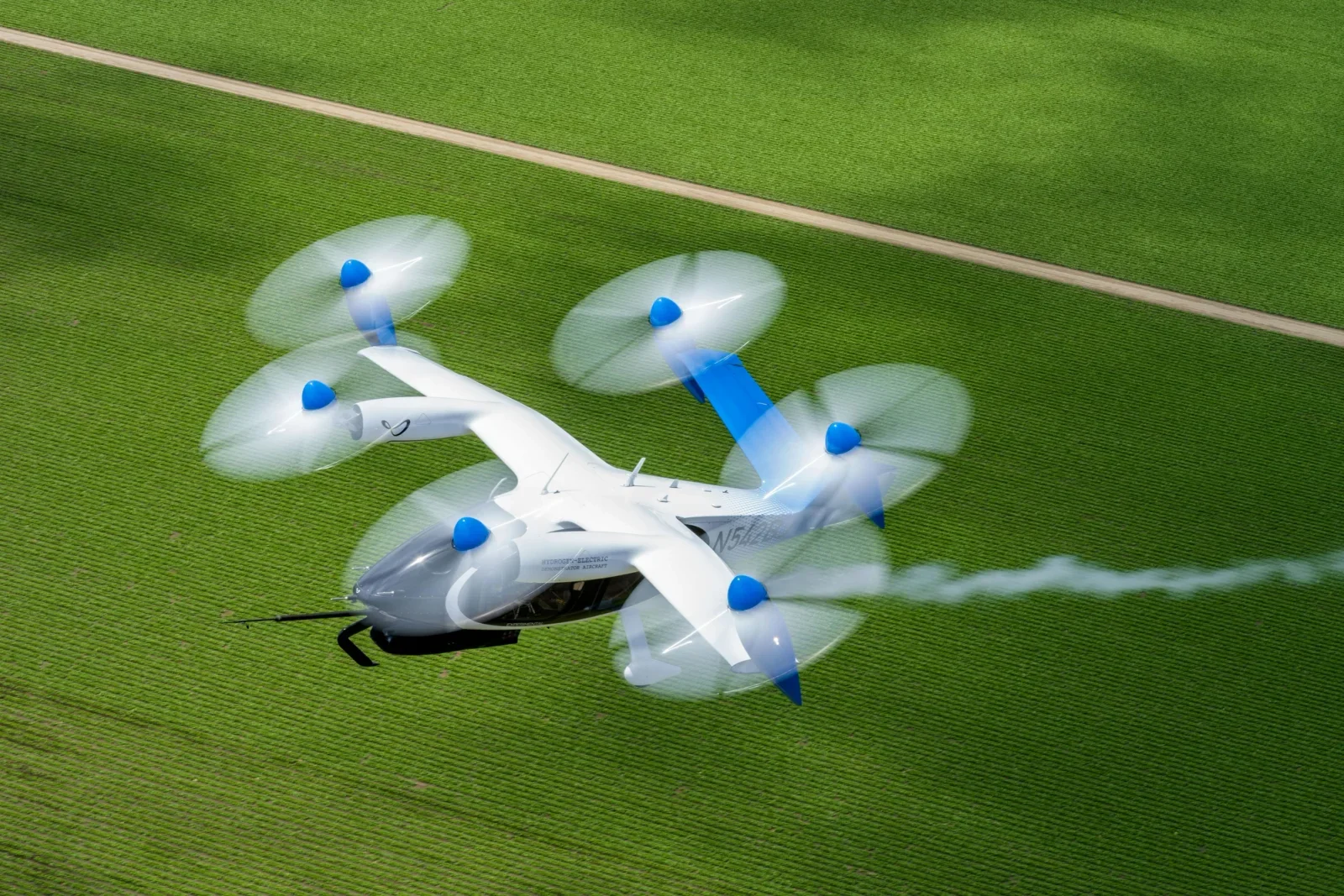
Joby Aviation
Timeline: 2023 to Present
Articles: H2 aircraft and hybrid turbine aircraft
Work: I came to Joby with essentially no aircraft design experience. But airplanes have always been a part of my life. In high school, I got my VFR private pilots license. In college, I spent a summer working at NASA on a dual-use UAV. But this really did not scratch the surface on what it takes to work on airplanes let alone a fuel cell system.
I can say that I have been incredibly lucky to currently be working on these technologies. My exposure to thermodynamics, rotor dynamics, machine design, and system design is beyond my wildest expectations.
Peak Design
Timeline: 2020-2023
Videos:Magnet Force Measurement, EDC
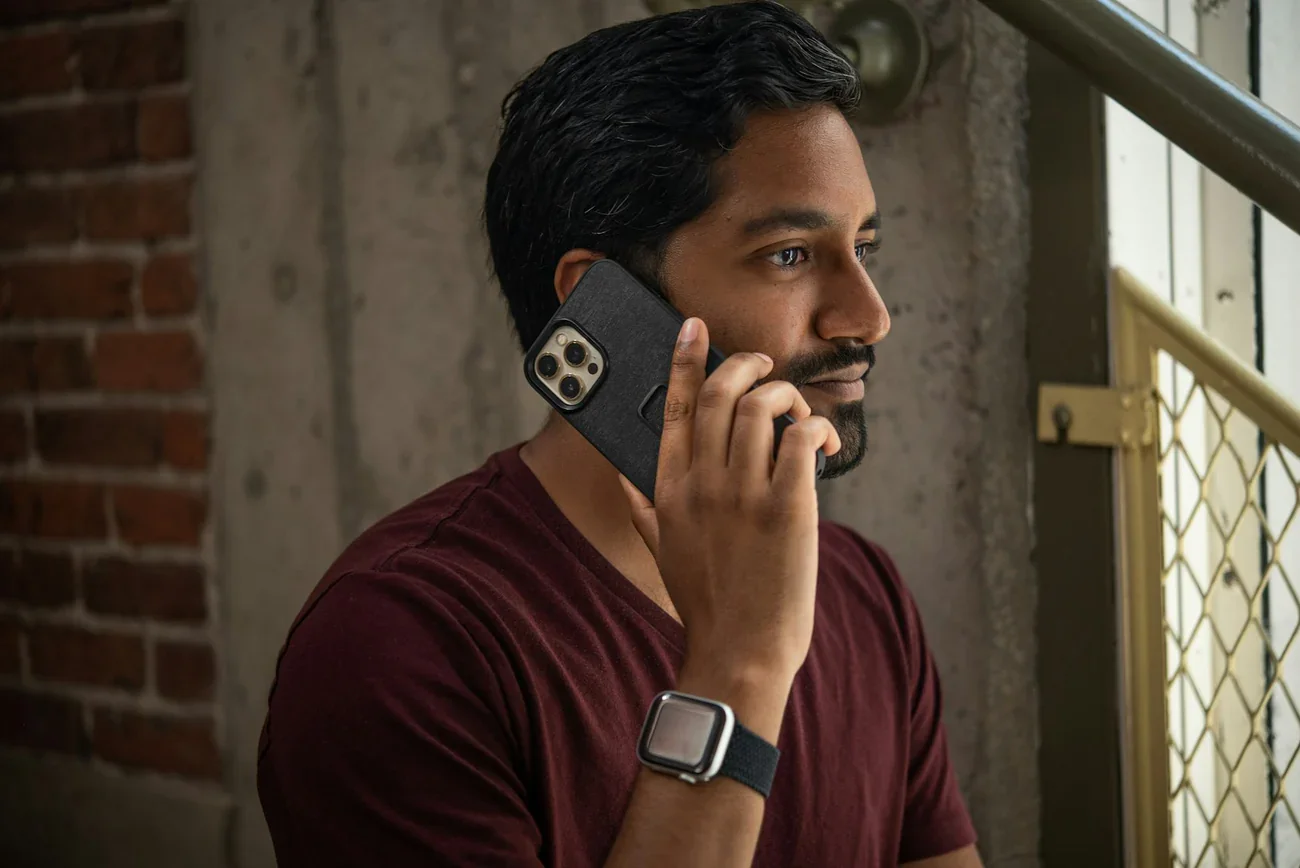
Work: Working at a backpack company was never on my life’s bingo card but I added it. I was hired to help with product testing their new line of phone cases and mounts. I started by measuring a few obvious features like the magnetic strength. But this line of products needed real world exposure and that’s where I got to grow. I ran a 150 person beta program to truly understand the quality of the products.
Once the mobile lineup was on autopilot, I turned my focus to bags. I found ways to bring quantifiable measurements into the product design process. Think durability and cycling kind of testing. Lastly, I spent some time working on tripods and quantifying how their performance affected image quality.
Apple
Timeline: 2015 & 2017-2019
Work Probably the one role I can’t write about but that won’t stop me. Including my internship and full time job, I had made over 25 trips to China and Europe; approximately 1.4 trips per month.
During my internship, I designed many components for a USB-C charger. Take a look at this Charger Lab video to understand the complexity within a charger. (This is not the one I worked) Let’s be honest, internships are important but this one really left a lasting impact on my life and engineering personality. This was my first exposure to mass production, vendors overseas and the Bay Area. The culture here was very different than the culture I experienced in Indiana.
My full time role was on hardware test engineering. We created large machines that tested, characterized and measured all sorts of details in an Apple product. Trust me when I say that there are details you will never even know about that are scrutinized. I was lucky in that this gave me exposure to a lot of fields: electromagnetism, acoustics, thermals, lasers, metrology, and many more.
Purdue - Senior Design
Timeline: Fall 2016
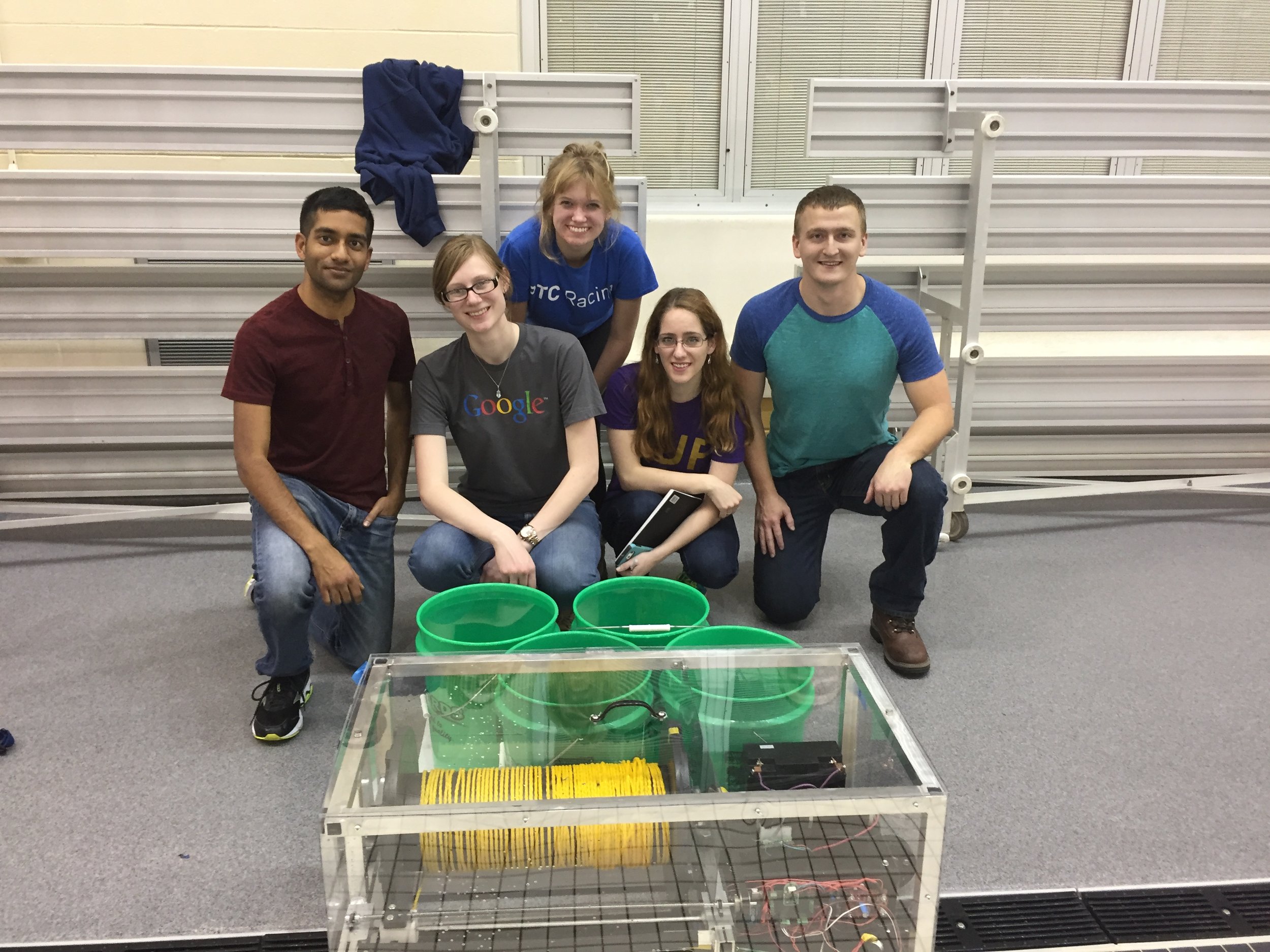
Work: This project exceeded my expectations in every category. Like most college seniors, we didn’t know what we wanted to make for our senior design project. Early in the year, our professor got a drink with the swim coach and they spoke about how terrible the current strength trainers are for swimmers. The next day, our professor approached us with this problem.
We immediately jump on it; this was exactly what we were looking for. Our goal was simple, make a working machine. This was probably my first real exposure to detailed machine design. Like all good projects, every part has to work for the system to work. It took some trial and error but the parts started to fit.
One very early morning, we took our machine to the swimming pool. The coach met us at the door and we setup the machine and some students decided to try it. It worked flawlessly. Fast forward a few weeks and we had patented it with the university. US11117010B2.
NASA
Timeline: Summer 2014
AIAA Paper: Link
Work: A few months prior to this internship, I randomly applied to NASA. While I did have a 4.0 GPA at the time; I really didn’t see myself as NASA smart. In my mind, if I didn’t have Einstein levels of intelligence; I wasn’t getting in. Turns out, I was wrong. 😊
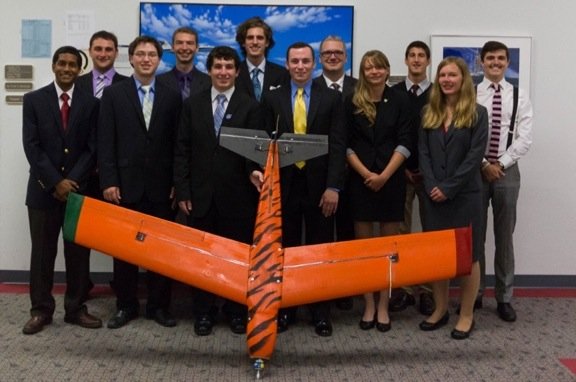
I spent the summer with a group of nerdy interns designing, building and flying a dual-purpose UAV. At this point in my life, I had roughly 60 hours of flight time in a Cessna 172 and an ungodly number of hours playing flying video games. When I got there, I quickly came to realize that everyone here is smart but not “Einstein” smart. Actually, we were pretty dumb. We were, in fact, a bunch of dumb college kids that did dumb things. But we left that summer a little less dumb.
The dual purpose was to run NDVI, an algorithm to study health of crops, as well as search and rescue for a downed person. This led us to make a powered aircraft with a relatively slow flight speed to maximize our endurance. With the help of a foam cutting machine and off the shelf components, we were able to do exactly that!